

Escalating conflict raises fears of prolonged global slowdown
Energy crisis, currency pressure and supply chain disruptions signal a challenging road ahead for global growth
Escalating conflict raises fears of prolonged global slowdown
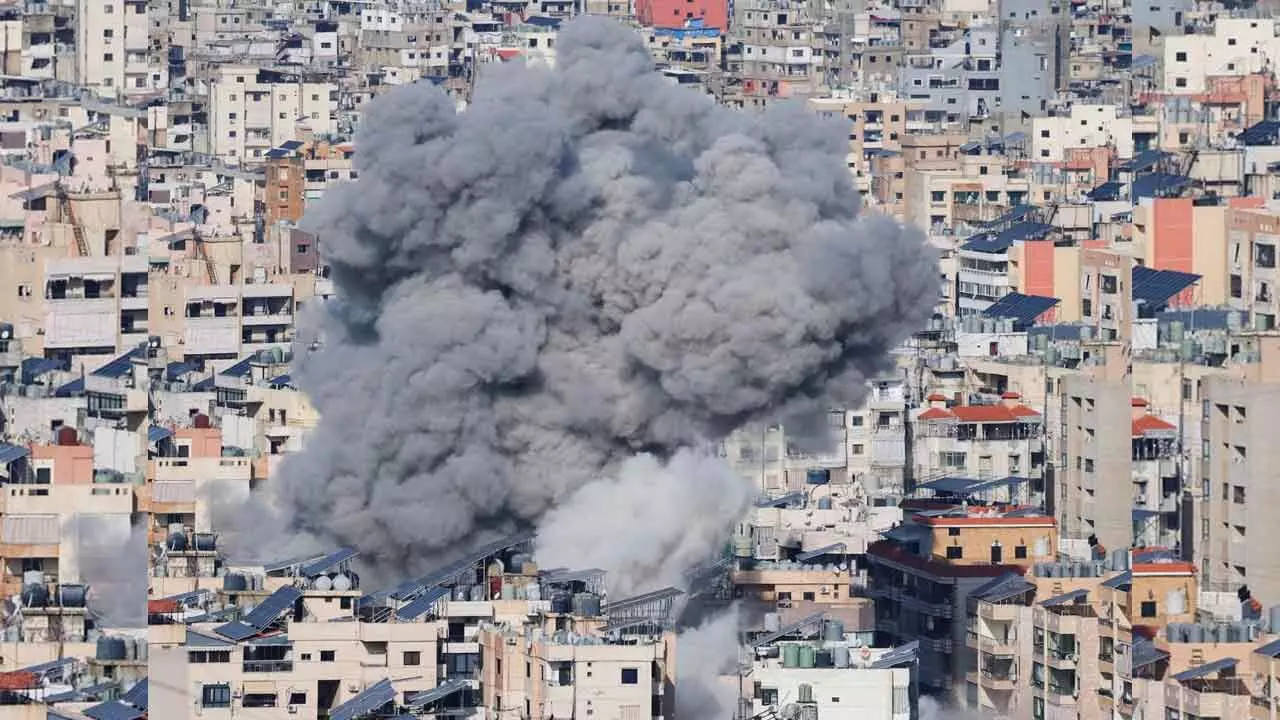

The ongoing Israel–US–Iran war, which began on February 28, is worsening by the day, triggering a major global crisis. The future appears highly uncertain, with disruptions to oil supplies and widespread damage to energy infrastructure.
The Strait of Hormuz, a critical artery for global oil transport, remains largely closed, with limited access granted selectively to countries such as China and, on a case-by-case basis, India. This has led to a sharp spike in oil prices, rising from $73 per barrel to around $125. If the conflict continues for more than three months, prices could surge to $200 per barrel amid severe supply uncertainties.
More than 20% of global oil supplies pass through the Strait of Hormuz. Disruptions here, combined with attacks on oil facilities in Iran and other Middle East countries hosting US bases, have severely impacted production. Even if the war ends soon, restoring normal supply chains may take time due to damaged infrastructure and halted extraction activities.
Iran has indicated that restrictions in the Strait will continue until war conditions normalise, especially for countries aligned with the United States.
The US Defence Secretary has stated that this will not be an “endless war” like Iraq in 2003, asserting that Iran must not possess nuclear capabilities and that the conflict will conclude on US terms. However, calls by President Donald Trump for support from NATO, Japan and South Korea have not received a positive response. Despite this, the US has conducted major strikes, including a significant naval attack in the Strait of Hormuz on March 19.
US officials claim substantial damage has been inflicted on Iran’s military capabilities, including thousands of targeted strikes and the destruction of key naval assets. Iran, despite heavy losses, continues retaliatory attacks on Israel and other Middle Eastern locations, keeping tensions high and the Strait effectively restricted.
The duration of the war remains uncertain, but its economic consequences are already severe. Countries dependent on oil imports, particularly those with fragile economies, face rising inflation, currency depreciation and slowing growth. The cost of oil, gas and fertilizers is climbing, placing additional pressure on global supply chains.
The US Pentagon has reportedly sought $200 billion for the war effort, with initial costs already exceeding $11 billion. Global leaders have expressed concern. The UK Prime Minister condemned attacks on energy infrastructure in Qatar, while India’s Prime Minister Narendra Modi has called for peace and stability in the region. Qatar has also urged an immediate end to the conflict.
President Trump has criticised NATO’s reluctance to support US operations, calling the alliance ineffective without American backing. The ongoing energy crisis is expected to have a disproportionate impact on countries with weak financial positions. While India, with forex reserves of around $700 billion, is relatively better placed, many low-income nations face heightened risks of debt distress and currency instability.
Rising oil prices are also contributing to inflation and equity market volatility, eroding wealth globally. Currency depreciation in energy-importing nations further increases import costs, compounding economic stress.
Beyond economic damage, the conflict poses serious environmental risks. Destruction of infrastructure, oil fires and military activity contribute to greenhouse gas emissions and long-term ecological harm. Damage to water and energy systems could hinder climate goals and force reliance on dirtier energy sources. Reconstruction costs across the Middle East could run into hundreds of billions of dollars, given extensive damage to airports, energy facilities and critical infrastructure.
With nearly 20 million barrels of oil per day affected, about one-fifth of global demand, supply disruptions are likely to persist in the medium term. Elevated oil prices may become the new normal, affecting manufacturing, trade and overall economic growth.
The near-term outlook remains highly challenging. It is imperative for global leadership to prioritise dialogue and diplomacy to prevent further escalation and mitigate the far-reaching economic and humanitarian consequences of this conflict.
(The author is former Chairman & Managing Director of Indian Overseas Bank)





